THE EARTHQUAKE OF 1953
The 1953 Earthquake – A Defining Moment in Kefalonia’s History
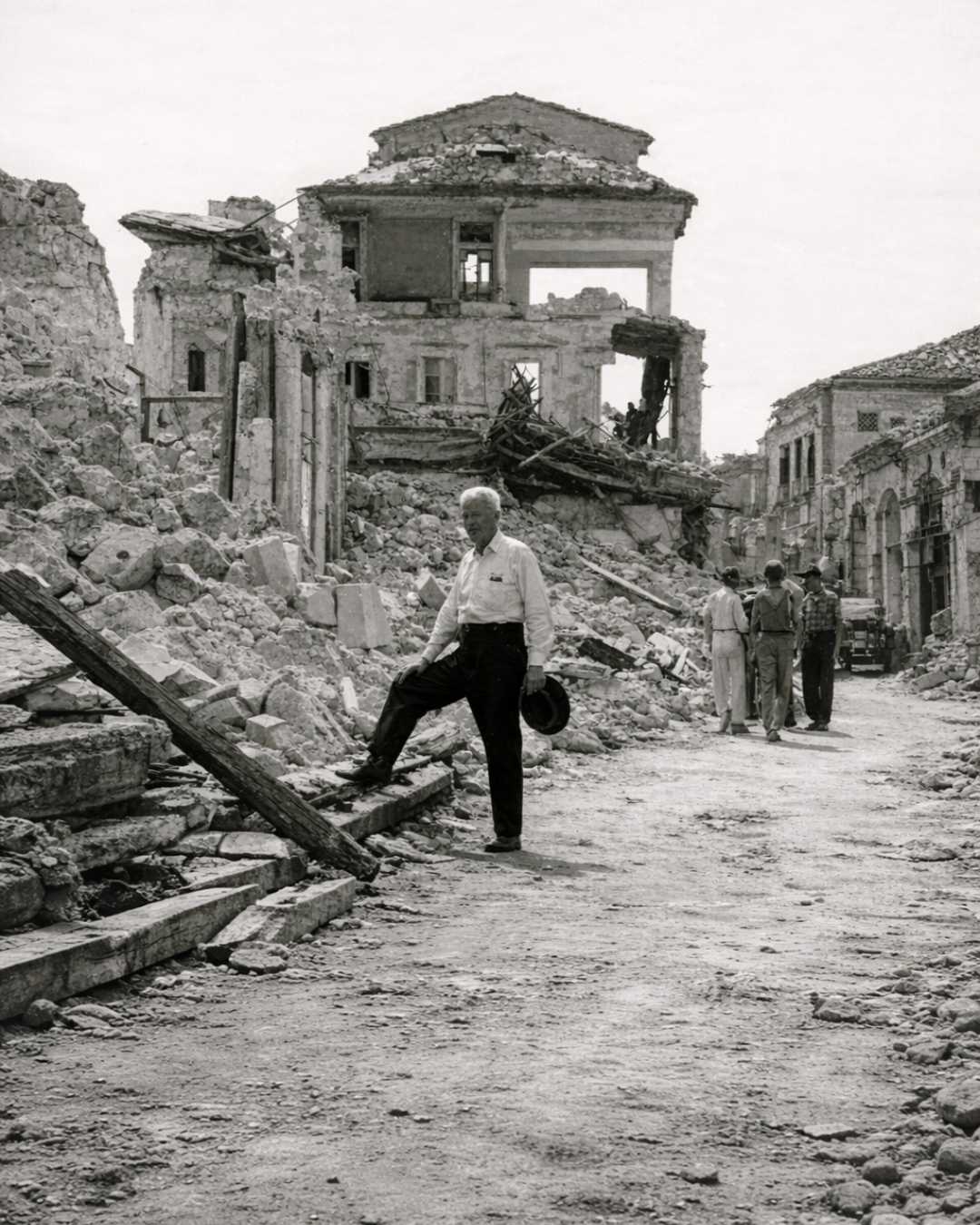
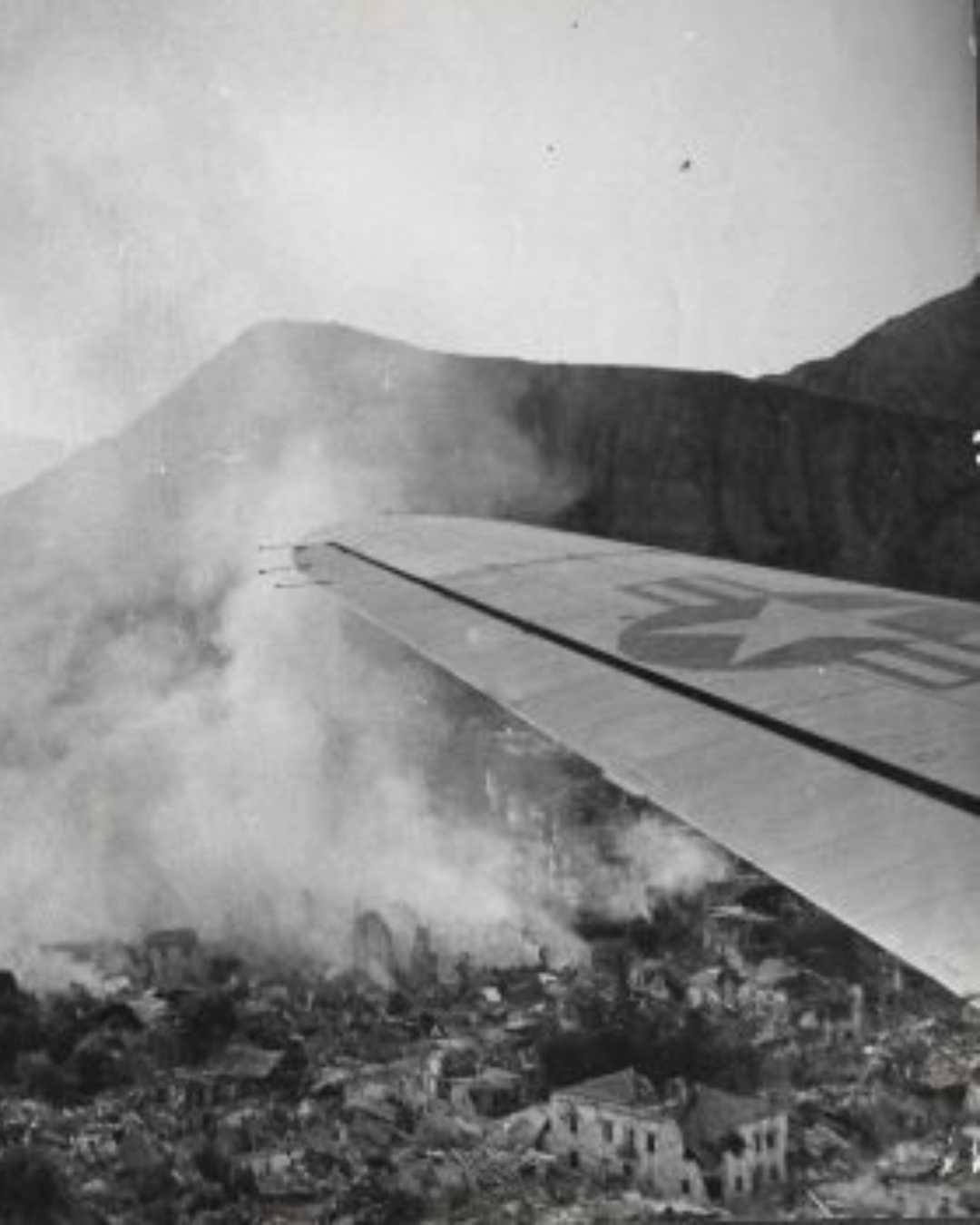
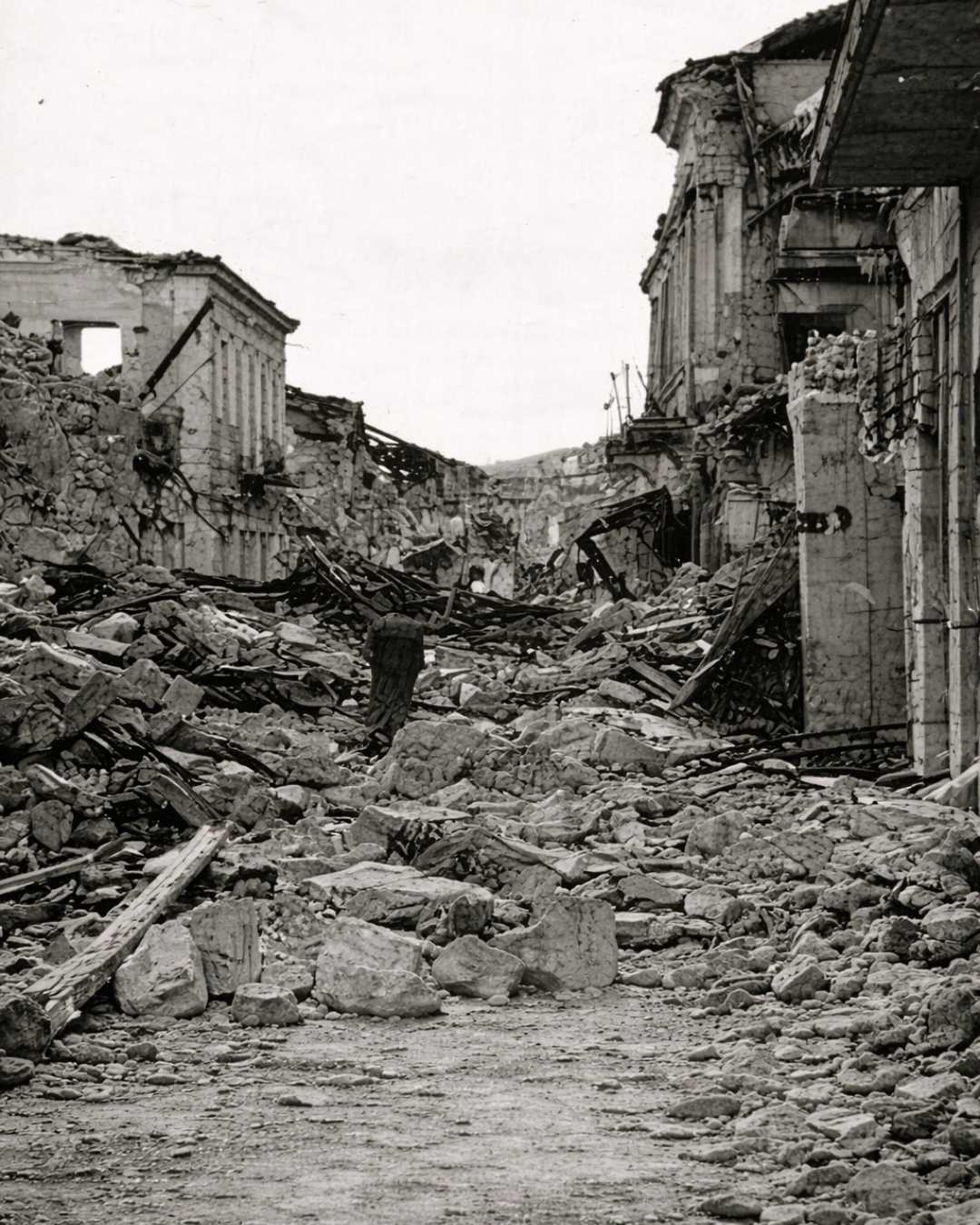
In August 1953, Kefalonia was struck by a series of powerful earthquakes that would forever change the island’s identity. The strongest tremor, reaching a magnitude of 7.2, caused widespread destruction, leveling villages, collapsing homes, and reshaping entire communities within seconds.
The impact was devastating. Nearly all traditional settlements were reduced to ruins, including the original village of Skala. Only a few buildings, such as select churches, managed to withstand the force. In the aftermath, thousands of residents were left without shelter, and many were forced to rebuild their lives from the ground up.
Yet, from this tragedy emerged a story of resilience. The island was gradually rebuilt, with new villages rising from the ruins, designed to withstand future earthquakes. Modern-day Kefalonia, as we see it today, is largely a result of that reconstruction.
More than just a historical event, the 1953 earthquake remains a powerful reminder of the island’s strength and spirit. It shaped not only the landscape, but also the identity of its people—marked by endurance, unity, and an unbreakable connection to their land.